Guide to Investing in Saudi Arabia 2024: Opportunities, Regulations, and Strategic Market Entry
Introduction
Saudi Arabia has rapidly positioned itself as one of the most attractive investment destinations in the Middle East and globally. Driven by Vision 2030, regulatory reforms, massive government-backed projects, and a strong push for economic diversification, the Kingdom is opening unprecedented opportunities for local and foreign investors across multiple sectors.
This Guide to Investing in Saudi Arabia 2024 is designed to be SEO-friendly, investor-oriented, and practical. It explains why Saudi Arabia is a prime investment hub, outlines key sectors, legal frameworks, investment vehicles, and market entry strategies, and highlights how professional advisory firms such as BoldTarget help investors unlock and structure investment channels in the Kingdom.
Why Invest in Saudi Arabia in 2024?
Saudi Arabia offers a unique combination of economic scale, political stability, and reform momentum. As the largest economy in the Middle East, the Kingdom acts as a gateway to GCC, Asian, African, and European markets.
Key Drivers of Investment Growth
-
Vision 2030 economic diversification strategy
-
Strong government support for foreign direct investment (FDI)
-
100% foreign ownership in many sectors
-
Competitive tax environment
-
Strategic geographic location
-
Massive public spending on infrastructure and giga projects
Saudi Arabia’s investment environment in 2024 is characterized by confidence, liquidity, and long-term planning, making it ideal for both strategic and portfolio investors.
Vision 2030 and Its Impact on Investors
Vision 2030 is the cornerstone of Saudi Arabia’s investment transformation. It aims to reduce dependence on oil revenues while stimulating private sector growth, localization, and innovation.
Vision 2030 Investment Objectives
-
Increase FDI contribution to GDP
-
Support SMEs and entrepreneurship
-
Privatize selected government services
-
Develop tourism, entertainment, and culture
-
Build world-class infrastructure and smart cities
For investors, Vision 2030 means clear direction, predictable policy support, and long-term opportunity pipelines.
Key Investment Sectors in Saudi Arabia (2024)
1. Real Estate & Urban Development
Saudi Arabia is witnessing one of the largest real estate expansions globally, driven by housing programs, commercial hubs, tourism cities, and mixed-use developments.
Investment opportunities include:
-
Residential developments
-
Commercial real estate
-
Hospitality projects
-
Industrial parks and logistics hubs
2. Infrastructure & Construction
Mega infrastructure projects are central to Saudi growth plans.
Key areas:
-
Transportation (airports, rail, ports)
-
Roads and utilities
-
Smart city infrastructure
-
Industrial zones
These projects are often supported by government guarantees and long-term contracts, reducing investment risk.
3. Tourism & Entertainment
Saudi Arabia is transforming into a global tourism destination.
Investment segments:
-
Hotels and resorts
-
Cultural and heritage tourism
-
Entertainment venues
-
Event management and leisure facilities
4. Energy & Renewable Power
While oil and gas remain important, Saudi Arabia is heavily investing in renewables.
Opportunities include:
-
Solar and wind power
-
Green hydrogen
-
Energy efficiency solutions
-
Smart grid technologies
5. Technology & Digital Economy
The Kingdom is accelerating digital transformation across all sectors.
High-growth areas:
-
Fintech and digital banking
-
E-commerce platforms
-
Cybersecurity services
-
Artificial intelligence and data centers
6. Manufacturing & Industrial Investment
Industrial localization is a national priority.
Key manufacturing segments:
-
Building materials
-
Automotive and components
-
Pharmaceuticals
-
Food and beverage processing
Legal Framework for Investing in Saudi Arabia
Saudi Arabia has significantly modernized its investment laws to attract global capital.
Key Regulatory Bodies
-
Ministry of Investment of Saudi Arabia (MISA)
-
Ministry of Commerce
-
Zakat, Tax and Customs Authority (ZATCA)
Investment Structures Available
-
Wholly foreign-owned companies
-
Joint ventures with Saudi partners
-
Branch offices
-
Regional headquarters (RHQ)
-
Special economic zones
Foreign investors can own up to 100% of businesses in most sectors, subject to licensing requirements.
Tax Environment in Saudi Arabia
Saudi Arabia offers a competitive tax environment compared to many global markets.
Key Tax Highlights
-
Corporate income tax for foreign entities
-
Zakat for Saudi/GCC shareholders
-
VAT at a standard rate
-
No personal income tax
-
No capital gains tax on listed securities
This structure makes Saudi Arabia highly attractive for long-term capital deployment.
Investment Incentives and Government Support
To encourage investment, Saudi Arabia offers a wide range of incentives.
Common Incentives
-
Customs duty exemptions
-
Land allocation in industrial zones
-
Financing support through government funds
-
Workforce training subsidies
-
Fast-track licensing
These incentives significantly improve project feasibility and ROI.
Risks and Considerations for Investors
While Saudi Arabia offers strong opportunities, investors must consider:
-
Regulatory compliance requirements
-
Saudization workforce policies
-
Sector-specific licensing conditions
-
Documentation and reporting obligations
Professional advisory support is essential to mitigate risks and ensure compliance.
Role of Investment Advisory & Market Entry Partners
Entering the Saudi market requires more than capital. It requires:
-
Regulatory understanding
-
Local market intelligence
-
Government relations
-
Structured investment planning
This is where firms like BoldTarget play a strategic role.
How BoldTarget Supports Investors in Saudi Arabia
BoldTarget acts as a business and investment enabler, helping investors open and structure investment channels across Saudi Arabia.
BoldTarget Investment Support Services
-
Investment feasibility analysis
-
Market entry strategy
-
Company formation and licensing
-
Government relations (GRO) services
-
Sector-specific investment matchmaking
-
Compliance, tax, and regulatory coordination
BoldTarget bridges the gap between investors, government entities, and opportunity owners, ensuring smooth, compliant, and scalable investment execution.
Step-by-Step Guide to Investing in Saudi Arabia
Step 1: Identify the Investment Sector
Analyze sector demand, growth potential, and regulatory openness.
Step 2: Choose the Investment Structure
Decide between full ownership, joint venture, or strategic partnership.
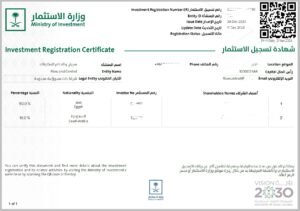
Step 3: Obtain Investment License
Apply through the Ministry of Investment with required documentation.
Step 4: Company Formation & Banking
Register the entity, open bank accounts, and set up operations.
Step 5: Compliance & Operational Launch
Ensure tax, labor, and regulatory compliance before scaling.
Saudi Arabia as a Regional Investment Hub
Saudi Arabia is positioning itself as the regional headquarters hub for multinational companies. New regulations encourage global firms to base their Middle East operations in the Kingdom, offering long-term strategic advantages.
Long-Term Outlook for Investors
With:
-
Stable leadership
-
Clear economic vision
-
Expanding private sector participation
Saudi Arabia’s investment outlook remains strong, resilient, and opportunity-rich beyond 2024.
Conclusion
Investing in Saudi Arabia in 2024 is no longer speculative — it is strategic. The Kingdom offers:
-
Scale
-
Stability
-
Vision
-
Support
For investors seeking sustainable growth in a high-potential market, Saudi Arabia stands out as a top destination. With the right guidance and structured support from firms like BoldTarget, investors can confidently enter, operate, and expand within the Saudi market.