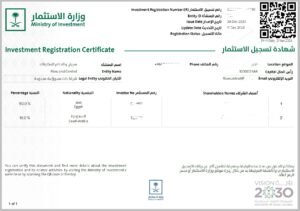
In recent years, the Kingdom of Saudi Arabia (KSA) has emerged as one of the most attractive business and investment destinations in the Middle East and globally. Driven by ambitious economic reforms under Vision 2030, Saudi Arabia has significantly improved its business environment, modernized regulations, and simplified company formation procedures for both local and foreign investors.
Today, establishing a company in Saudi Arabia is no longer a complex or time-consuming process. With digital government platforms, clear legal frameworks, and strong institutional support, entrepreneurs can start their businesses efficiently and confidently. This comprehensive guide explores everything you need to know about company formation in Saudi Arabia, including benefits, company types, legal requirements, procedures, costs, foreign investment rules, challenges, and practical tips for success.
Why Saudi Arabia Is an Ideal Destination for Company Formation
1. Strong and Diversified Economy
Saudi Arabia has the largest economy in the Middle East, supported by:
-
Financial stability
-
Strong government reserves
-
A growing private sector
-
An expanding non-oil economy
The country offers access to a large consumer market of more than 35 million people, along with regional and global trade opportunities.
2. Vision 2030 and Expanding Investment Opportunities
Vision 2030 has opened up new sectors and transformed the investment landscape. Key growth sectors include:
-
Technology and digital transformation
-
Tourism and entertainment
-
Renewable energy
-
Logistics and manufacturing
-
Healthcare and education
-
Fintech and e-commerce
These reforms have created a fertile environment for startups, SMEs, and multinational corporations.
3. Pro-Business Regulatory Environment
Saudi Arabia has implemented:
-
Streamlined licensing processes
-
Online company registration
-
Reduced paperwork and timelines
-
Strong investor protection laws
-
Transparent commercial regulations
As a result, the Kingdom has significantly improved its ranking in global ease-of-doing-business indicators.
Types of Companies in Saudi Arabia
Choosing the right legal structure is a critical step when forming a company. The most common types include:
1. Sole Proprietorship
-
Owned by a single individual
-
Suitable for small businesses
-
Owner bears unlimited liability
-
Simple setup and management
2. Limited Liability Company (LLC)
-
Most popular business structure
-
Can have one or more shareholders
-
Liability limited to capital contribution
-
Flexible management structure
-
Suitable for SMEs and foreign investors
3. Joint Stock Company (JSC)
-
Designed for large-scale businesses
-
Capital divided into shares
-
Can be publicly listed
-
Subject to stricter governance requirements
4. Simplified Joint Stock Company
-
A modern and flexible structure
-
Ideal for startups and venture-backed companies
-
Easier governance compared to traditional JSCs
5. Branch of a Foreign Company
-
Allows international companies to operate directly in Saudi Arabia
-
Requires foreign investment licensing
-
Operates under the parent company’s name
Legal Requirements for Company Formation
The legal requirements vary depending on company type and investor nationality, but generally include:
-
Defining the business activity
-
Selecting the legal structure
-
Choosing a compliant company name
-
Providing a registered office address
-
Specifying company capital (varies by activity)
-
Opening a corporate bank account
-
Registering with tax and regulatory authorities
Additional Requirements for Foreign Investors
Foreign investors must also:
-
Obtain a foreign investment license
-
Comply with Saudization (local employment) policies
-
Meet sector-specific capital requirements
-
Adhere to foreign ownership regulations
Step-by-Step Process to Establish a Company in Saudi Arabia
1. Select Business Activity
The chosen activity determines licensing requirements and regulatory approvals.
2. Choose Legal Entity Type
The legal structure affects taxation, liability, governance, and scalability.
3. Reserve Company Name
Company names must comply with Saudi commercial naming regulations and be approved electronically.
4. Draft Articles of Association
The articles define:
-
Shareholders and ownership percentages
-
Capital structure
-
Management and governance rules
-
Profit distribution mechanisms
5. Issue Commercial Registration
Once approved, the company is officially registered and legally recognized.
6. Open a Corporate Bank Account
A mandatory step for conducting financial transactions and depositing capital.
7. Register with Government Authorities
Including:
-
Zakat, Tax and Customs Authority
-
General Organization for Social Insurance
-
Chamber of Commerce
8. Obtain Final Licenses
Depending on the activity, additional municipal, industrial, health, or professional licenses may be required.
Cost of Company Formation in Saudi Arabia
Company formation costs depend on:
-
Company type
-
Business activity
-
Capital requirements
-
Government fees
-
Professional and legal services
Typical Costs May Include:
-
Commercial registration fees
-
Chamber of Commerce membership
-
Publication fees
-
Licensing costs
-
Legal and consulting fees
In general, basic company formation costs start from a few thousand Saudi Riyals and increase based on business complexity and scale.
Company Formation for Foreign Investors in Saudi Arabia
Saudi Arabia allows 100% foreign ownership in many sectors, making it an attractive destination for international entrepreneurs.
Advantages for Foreign Investors:
-
Full ownership in approved sectors
-
Free transfer of profits
-
Strong legal protection
-
Access to major government projects
-
Strategic location connecting three continents
Key Considerations:
-
Licensing requirements
-
Saudization compliance
-
Regulatory reporting
-
Cultural and business practices
With proper planning and professional guidance, foreign investors can establish and grow successful operations in Saudi Arabia.
Common Challenges and How to Overcome Them
1. Regulatory Complexity
Solution: Work with experienced legal and business advisors.
2. Incorrect Business Activity Selection
Solution: Conduct market research and feasibility studies before registration.
3. Tax and Compliance Obligations
Solution: Hire qualified accountants and compliance specialists early.
4. Workforce Localization Requirements
Solution: Develop a structured hiring and HR strategy aligned with Saudization policies.
Practical Tips for Business Success in Saudi Arabia
-
Conduct a detailed feasibility study
-
Choose the right location for your business
-
Ensure full regulatory compliance
-
Invest in digital tools and automation
-
Build strong local partnerships
-
Understand cultural and commercial norms
-
Plan for long-term growth and scalability
Establishing a company in Saudi Arabia represents a powerful opportunity for entrepreneurs and investors seeking growth in a dynamic, well-supported, and rapidly evolving market. With strong government backing, modern regulations, and access to diverse economic sectors, Saudi Arabia offers an ideal platform for building sustainable and profitable businesses.
By understanding the legal framework, selecting the right business structure, and leveraging professional expertise, investors can confidently navigate the company formation process and position themselves for long-term success in the Kingdom.
Web Search Results (References)
-
Company Formation in Saudi Arabia: Legal Requirements and Company Types
Explains company structures, legal conditions, and regulatory requirements in Saudi Arabia. -
Company Formation in Saudi Arabia – Advantages and Steps
Outlines benefits, procedures, and best practices. -
Limited Liability Company Formation – Ministry of Commerce
Official government service for LLC registration.