The Power of Branding: Building Identity, Trust, and Long-Term Business Value
Introduction: Why Branding Is More Than a Logo
Branding is no longer a luxury or a secondary marketing activity—it is a core business asset. In today’s hyper-competitive global economy, branding defines how customers perceive your company, how much they trust you, and whether they choose you over competitors. A strong brand influences purchasing decisions, builds emotional connections, and creates long-term loyalty.
Branding is not just about logos, colors, or slogans. It is the sum of every interaction a customer has with your business: your website, customer service, social media presence, product quality, tone of communication, and even your internal company culture.
In markets like Saudi Arabia and the GCC, where competition is increasing rapidly across sectors such as construction, real estate, technology, healthcare, and services, branding has become a strategic necessity rather than a marketing option.
What Is Branding?
Branding is the strategic process of creating a distinct identity for a business in the minds of consumers. It involves defining who you are, what you stand for, how you communicate, and how you differentiate yourself from competitors.
A complete branding system includes:
-
Brand identity (logo, colors, typography)
-
Brand positioning and messaging
-
Brand values and mission
-
Brand voice and tone
-
Customer experience
-
Visual and verbal consistency
Strong branding answers one critical question:
Why should customers choose you instead of anyone else?
The Core Elements of Successful Branding


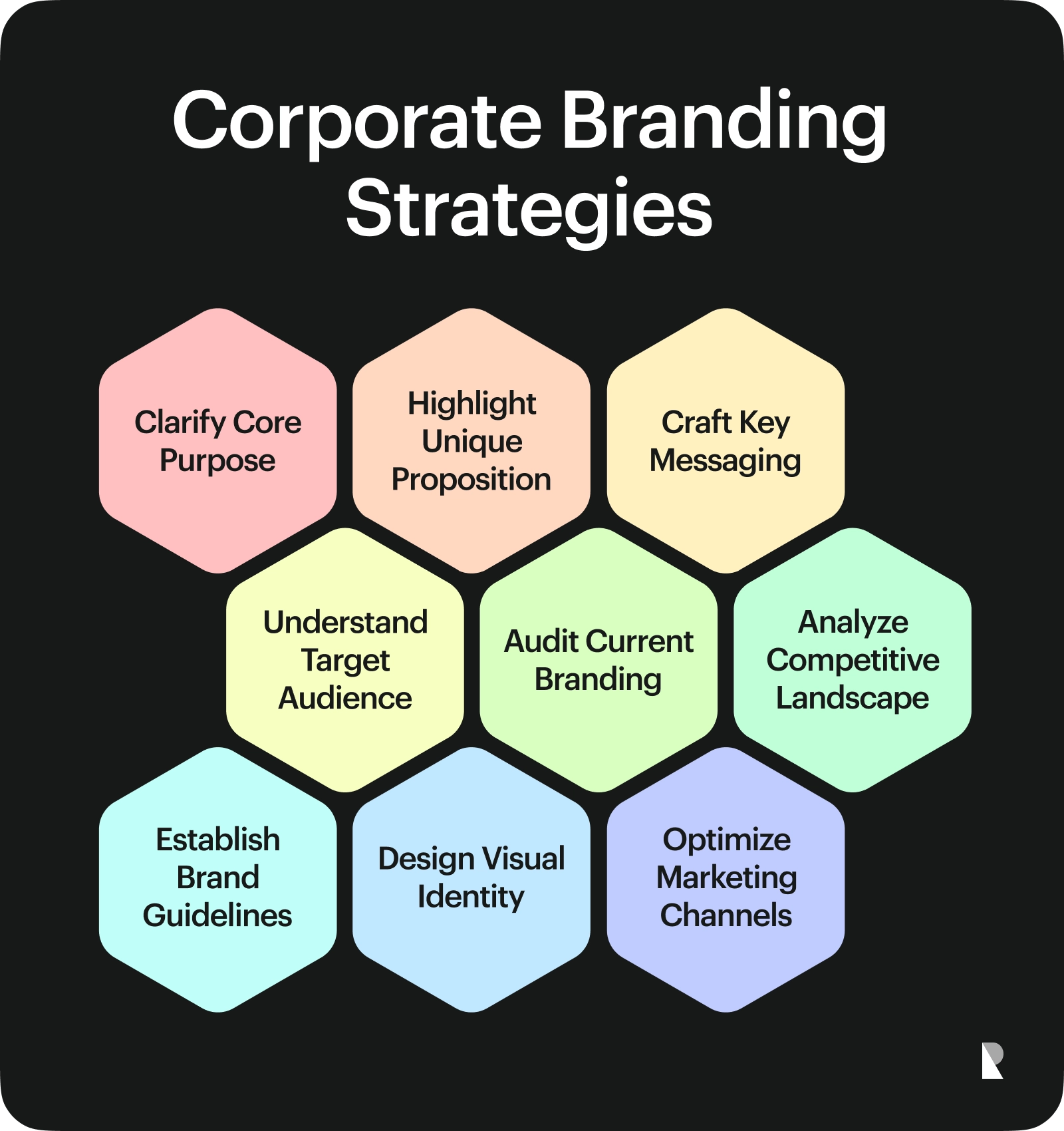
Brand strategy is the foundation of all branding efforts. It defines:
-
Target audience
-
Market positioning
-
Unique value proposition (UVP)
-
Competitive differentiation
-
Long-term brand vision
Without strategy, branding becomes decoration rather than direction.
2. Brand Identity
Brand identity is the visual expression of your brand. This includes:
-
Logo design
-
Color palette
-
Typography
-
Iconography
-
Imagery style
-
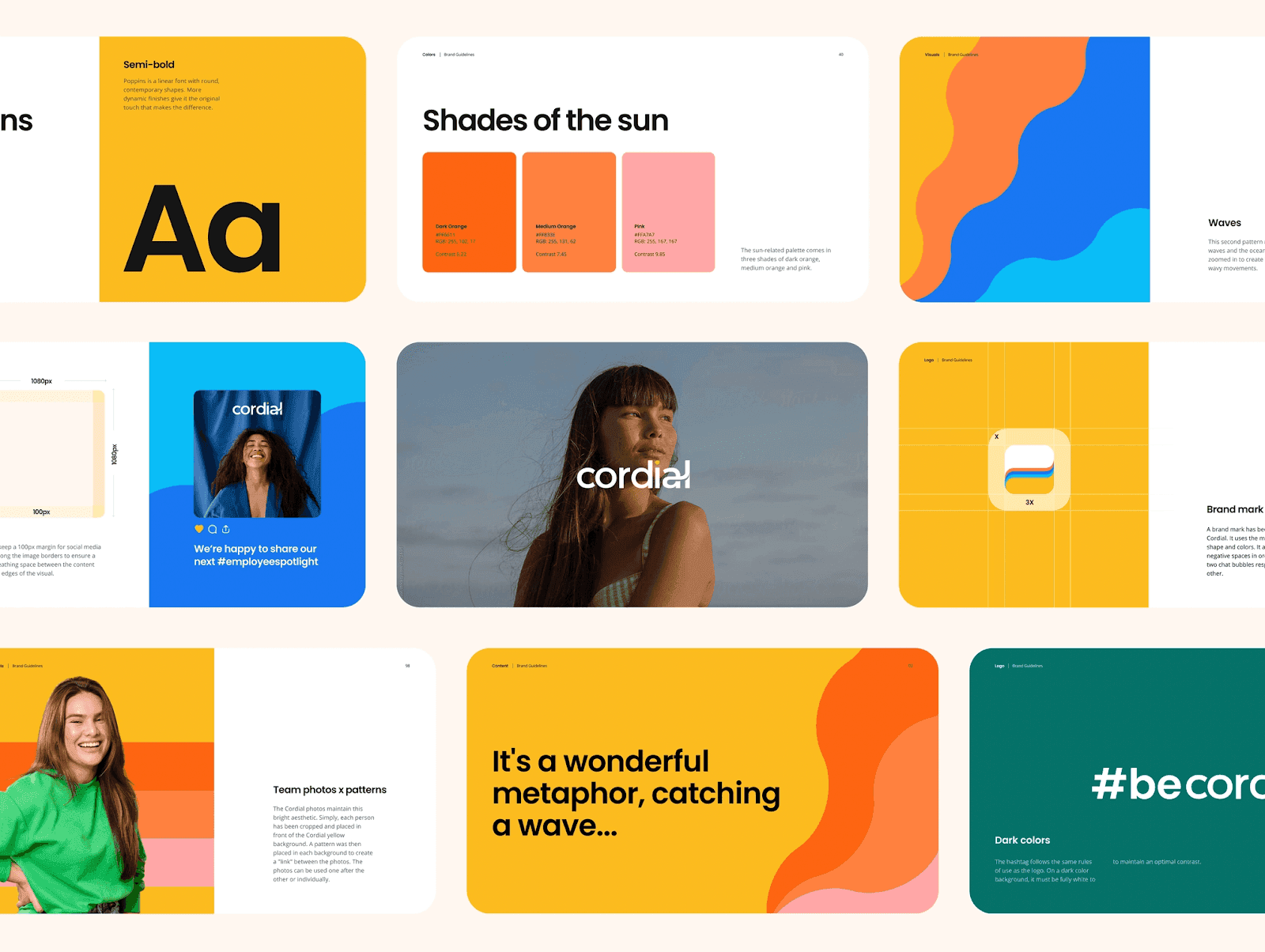
Brand guidelines
Consistency in visual identity builds recognition and trust. Customers are more likely to remember brands that look professional and consistent across all platforms.
3. Brand Positioning
Brand positioning defines how your brand is perceived relative to competitors. Are you:
-
Premium or affordable?
-
Innovative or traditional?
-
Corporate or human-centered?
Clear positioning allows customers to instantly understand what your brand represents.
4. Brand Voice and Messaging
Your brand voice defines how you speak to your audience. Whether formal, friendly, authoritative, or inspirational, your tone should remain consistent across:
-
Website content
-
Social media
-
Advertisements
-
Customer communication
-
Proposals and presentations
Strong messaging communicates value clearly and emotionally.
5. Brand Experience
Branding extends beyond visuals and words—it includes experience. Every touchpoint matters:
-
Website usability
-
Response time
-
Customer support quality
-
Product or service delivery
-
After-sales service
A positive brand experience converts customers into brand advocates.
Why Branding Matters for Business Growth

People trust brands they recognize. A professional brand signals stability, quality, and reliability—especially important in sectors like contracting, finance, healthcare, and consulting.
2. Creates Emotional Connection
Customers do not buy products—they buy feelings, values, and identity. Emotional branding creates loyalty that price competition cannot destroy.
3. Increases Business Value
Strong brands have higher perceived value, allowing companies to:
-
Charge premium prices
-
Attract better clients
-
Secure partnerships
-
Increase company valuation
4. Supports Marketing and Sales
Branding makes marketing more efficient. When people already trust your brand, advertising becomes more effective and conversion rates increase.
Global Branding Examples

-
Apple – Simplicity, innovation, premium experience
-
Nike – Motivation, performance, empowerment
-
Coca-Cola – Emotion, happiness, global familiarity
-
Tesla – Innovation, sustainability, future vision
These brands dominate their markets not only because of product quality, but because of powerful, consistent branding.
Branding in Saudi Arabia and the Middle East
Branding in Saudi Arabia requires cultural awareness, localization, and alignment with Vision 2030. Key considerations include:
-
Arabic & English bilingual branding
-
Cultural values and traditions
-
Local trust signals
-
Government and corporate standards
-
Digital-first presence
Companies that invest in localized branding strategies gain faster market acceptance and stronger credibility.
Corporate Branding vs Product Branding
| Corporate Branding | Product Branding |
|---|---|
| Focuses on company identity | Focuses on individual products |
| Builds long-term reputation | Drives short-term sales |
| Suitable for B2B & services | Common in FMCG & retail |
Many successful companies use both strategies together.
Digital Branding in the Modern Era
-
Website design & UX
-
Social media branding
-
SEO-driven content
-
Online reputation management
-
Visual consistency across platforms
Your digital presence is often the first impression—and first impressions decide trust.
Common Branding Mistakes to Avoid
-
Inconsistent visuals and messaging
-
No clear brand positioning
-
Copying competitors
-
Ignoring customer experience
-
Treating branding as a one-time task
Branding is a long-term investment, not a one-day project.
The Future of Branding
Branding is moving toward:
-
Purpose-driven brands
-
Human-centered communication
-
Personalization and storytelling
-
Digital-first experiences
-
AI-driven brand insights
Companies that adapt will lead the future markets.
Conclusion: Branding Is a Strategic Asset
Branding is not about looking good—it is about being remembered, trusted, and chosen. In competitive markets, branding becomes the deciding factor between growth and stagnation.
A strong brand:
-
Communicates value
-
Builds trust
-
Creates loyalty
-
Supports expansion
-
Increases profitability
Whether you are a startup, SME, or enterprise, investing in branding is investing in your company’s future.